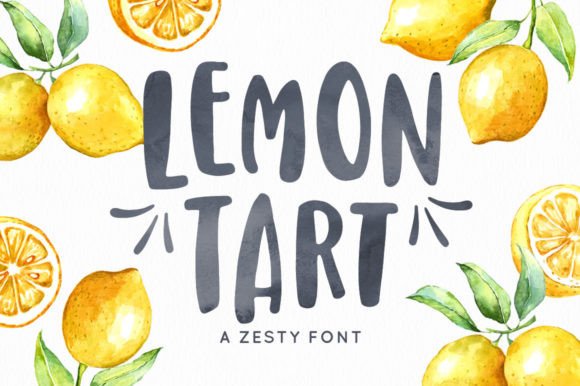
Lemon Tart: A Sweet Display Font for Crafters
There is a specific kind of magic that happens when you find the perfect typeface for your handmade business. It is not just about making words look pretty; it is about finding a voice that speaks directly to your customer's heart. For those of us who spend our days cutting vinyl, printing labels, and designing digital downloads, the right display font can transform a simple product into a must-have item. Enter Lemon Tart, a sweet, hand-drawn sans serif display font that brings an instant sense of charm and approachability to any project.
As a maker who has tested countless design assets, I have learned that versatility is key. Lemon Tart stands out because it balances the whimsy of a hand-lettered piece with the clean readability required for professional branding. Unlike many decorative fonts that become illegible at small sizes, this all-caps typeface maintains its character whether it is on a tiny sticker or a large farmhouse sign. Its condensed and bold variations offer the flexibility needed to create dynamic layouts without cluttering your design space.
The Visual Personality of Lemon Tart
When you first load Lemon Tart into your design software, the most striking feature is its genuine, hand-drawn aesthetic. It feels organic, as if a friend wrote a note on a chalkboard or a tag attached to a gift basket. The strokes are imperfect in the best possible way, avoiding the sterile look of standard geometric sans serif fonts. This "sweet" quality makes it an ideal choice for brands that want to feel personal, warm, and inviting.
What truly sets this creative font apart is its unique variation system. It includes two distinct variations of each uppercase letter, accessed simply by typing the upper and lowercase keys. This feature is a game-changer for designers who want to add subtle texture and rhythm to their text without manually editing every single letter. It allows for a natural flow that mimics true handwriting, adding depth to your headlines and titles. Whether you are designing a logo for a boutique bakery or creating social media graphics for a lifestyle blog, these alternates ensure your text never looks repetitive or robotic.
Practical Applications for Handmade Products
The true test of any commercial font is how well it performs across different mediums. Lemon Tart excels in a wide range of craft applications, proving itself to be a reliable workhorse for the busy creator.
- Product Labels and Packaging: Imagine a jar of homemade lemon curd or a bottle of artisanal soap. Using Lemon Tart for the label instantly communicates freshness and quality. The bold weight ensures the product name pops against the background, while the condensed style fits perfectly on narrow necks or small square tags.
- Stickers and Vinyl Decals: For Cricut and Silhouette users, readability is crucial. Because Lemon Tart is a sans serif font with clear letterforms, it cuts cleanly even at smaller sizes. It is perfect for planner stickers, water bottle decals, and laptop skins where short, punchy phrases like "Good Vibes" or "Create Joy" need to stand out.
- Invitations and Stationery: From birthday parties to wedding welcome boards, this font adds a festive touch. It works beautifully for names, dates, and event titles. When paired with a delicate script font for details, it creates a balanced, modern typography hierarchy that guests will love.
- Wall Art and Signs: Large-scale prints benefit from the font's expressive nature. Think of a wooden sign in a nursery or a canvas print for a kitchen. The hand-drawn style adds warmth to the room, making the space feel curated and cozy rather than mass-produced.
- Digital Downloads and Templates: If you sell printable planners, checklists, or social media templates, Lemon Tart offers a fresh alternative to overused typefaces. It helps your digital products stand out in crowded marketplaces like Etsy, giving them a unique brand identity.
Designing for Readability and Quality
While the aesthetic appeal of Lemon Tart is undeniable, practical considerations are vital for successful production. As a display font, it is designed primarily for short phrases, headlines, and decorative wording rather than long paragraphs of body text. Attempting to use it for lengthy descriptions can result in visual fatigue for the reader. Instead, reserve Lemon Tart for the elements that need to grab attention immediately.
When working with cutting machines, always consider the size of your letters. While the font is generally readable, extremely small text (under 0.5 inches) might lose some of its hand-drawn nuance during the weeding process. For product labels, ensure there is sufficient spacing between letters to prevent ink bleed or vinyl tearing. The condensed version of the font is particularly useful here, allowing you to fit more information into a limited area without sacrificing legibility.
For printed materials, such as greeting cards or packaging, the high contrast of the bold weight ensures crisp reproduction. However, always print a proof before committing to a full run. Check how the hand-drawn edges render on your specific paper stock. Textured papers can sometimes soften the edges slightly, which often enhances the handmade feel, but smooth cardstock will give you the sharpest definition.
Mastering Font Pairing Strategies
To elevate your designs, pairing Lemon Tart with complementary typefaces is essential. Since Lemon Tart is already quite expressive and playful, it pairs best with simpler, more neutral fonts that allow it to shine without competing for attention.
A classic combination involves pairing this sans serif font with a clean, minimalist sans serif for body text. This creates a modern, editorial look that is popular in contemporary branding. Alternatively, for a softer, more romantic feel, try combining it with a flowing script font or a handwritten style. Use the script for names or signatures and Lemon Tart for the main announcement. This contrast between the structured yet playful caps and the fluid curves of a script creates a sophisticated balance.
If you are aiming for a rustic or vintage vibe, a simple serif font can provide a nice counterpoint. The traditional structure of a serif contrasts nicely with the modern, hand-drawn energy of Lemon Tart, resulting in a timeless design suitable for weddings or heritage-style products.
Licensing and Commercial Use
One of the most important aspects of using Lemon Tart in your business is understanding the licensing terms. As a premium font, it typically comes with a license that allows for commercial use, which is critical for sellers of physical products, templates, and digital downloads. Most licenses for this type of asset permit you to use the font on items you sell, such as mugs, t-shirts, tote bags, and printed signs.
However, it is always prudent to review the specific End User License Agreement (EULA) included with your purchase. Generally, you cannot resell the font file itself or embed it in a free digital download where others can extract the font. But for embedding in PDFs for client work, creating SVG files for sale, or printing on merchandise for your shop, Lemon Tart is a safe and versatile choice. Ensuring you have the correct license protects your business and gives you peace of mind as you scale your creative endeavors.
Whether you are crafting a one-of-a-kind wedding invitation or launching a new line of branded stationery, Lemon Tart offers the perfect blend of personality and professionalism. Its unique variations, readability, and charming aesthetic make it an indispensable tool in the toolkit of any serious maker. By integrating this modern typography into your workflow, you can create products that not only look beautiful but also connect deeply with your audience.